The Exhibit
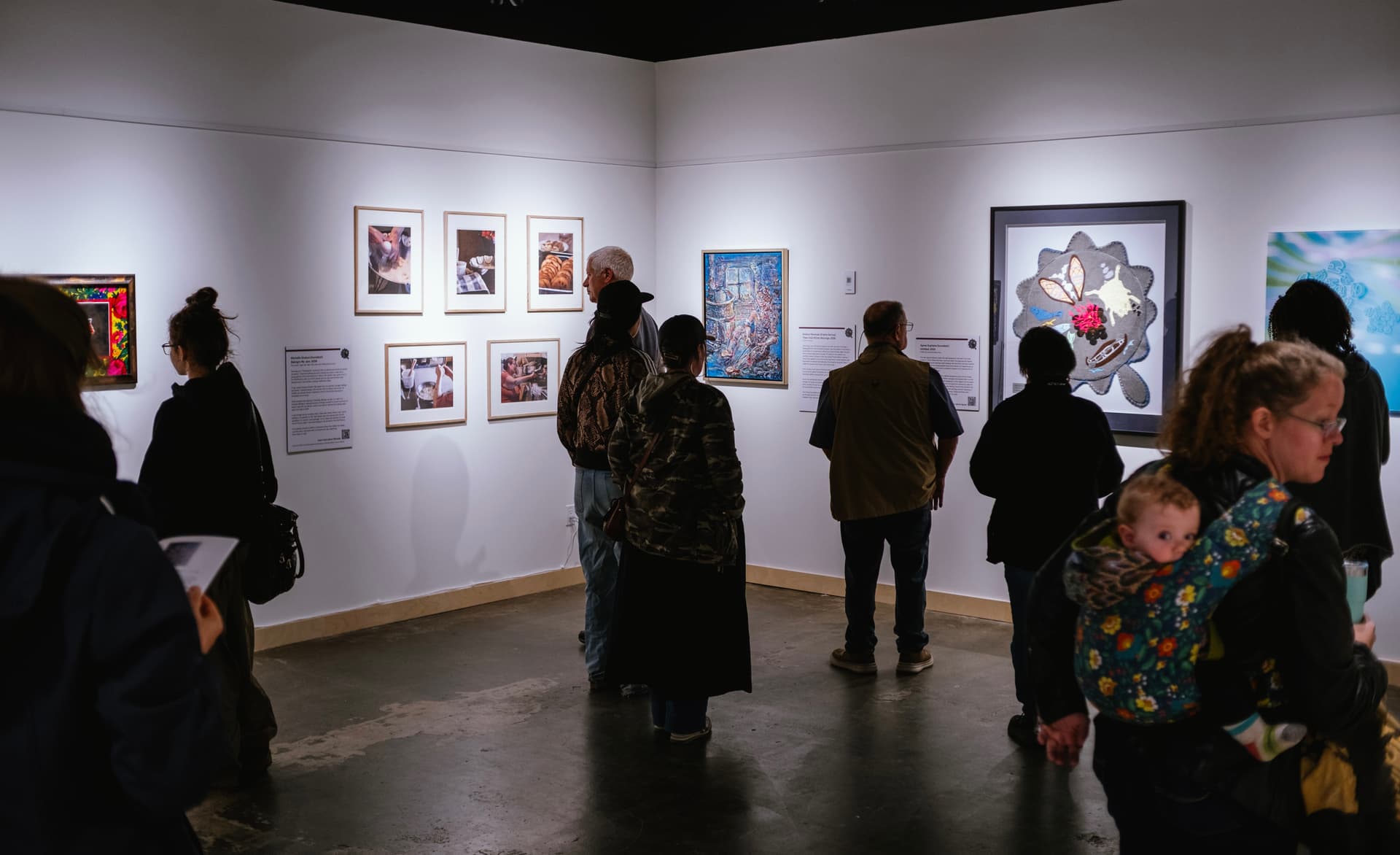
The opening celebration of How I Survived: The Exhibit (Photo by Jonny Vu)
Presence, Strength, Love, Creativity
Creativity and art making were important parts of the lives and experiences of northern Indigenous children while they were institutionalized at residential and day school.
Like other aspects of residential and day school life, art was a tool of assimilation. Children were surrounded by Euro-Canadian aesthetics and art instruction emphasized Euro-Canadian forms, materials, and practices.
Art was also a site of resistance, a way for Indigenous children to capture what was important to them. Some Survivors have also told us that as they created, they felt free, if only for a short time.
Today, Survivors and intergenerational Survivors are using art for witnessing, healing, and cultural revitalization.
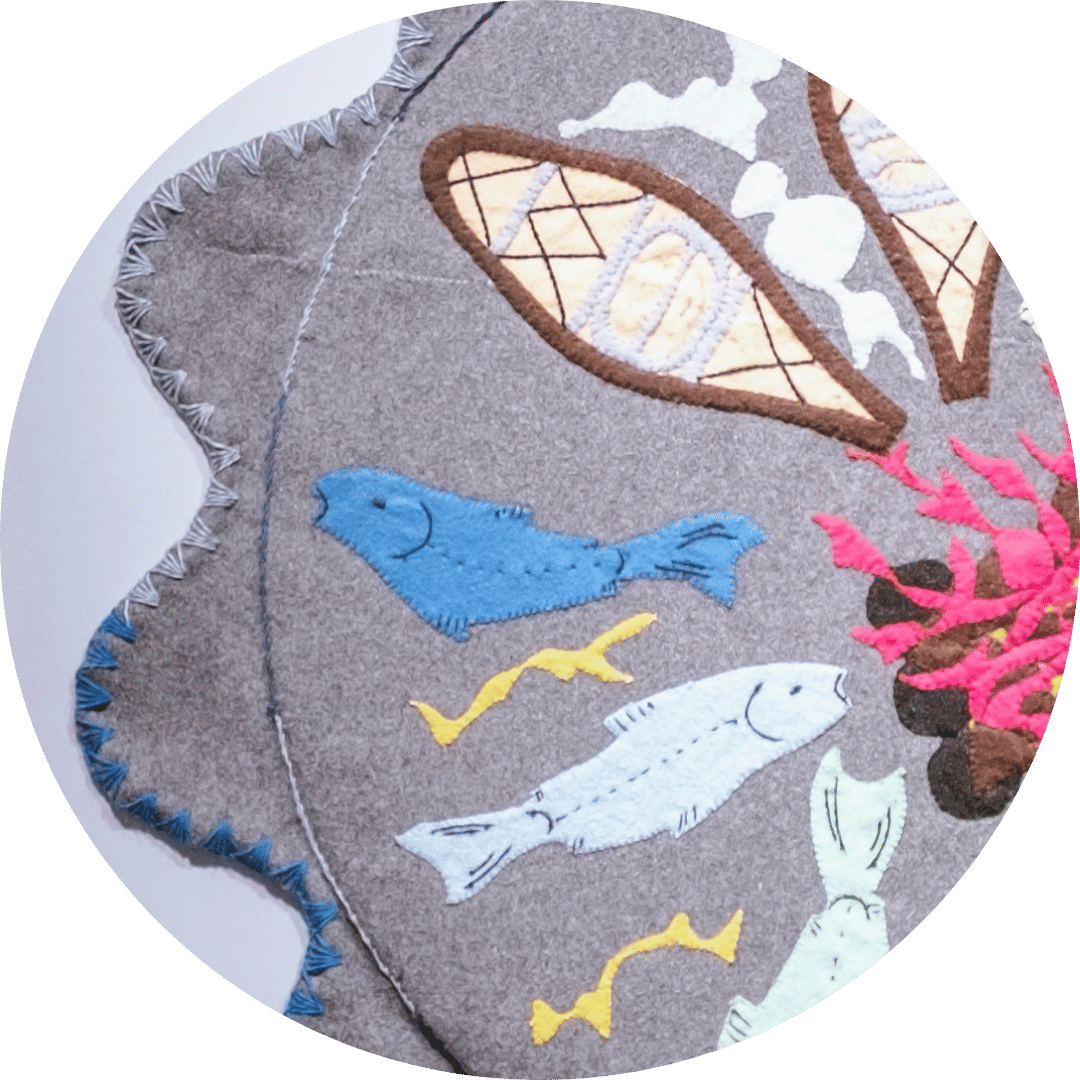
In 2023, How I Survived commissioned the late Agnes Kuptana, a residential school Survivor, artist, and educator from Uluksaqtuuq (Ulukhaktok), to design and sew a wall hanging for the project.
Made in the shape of an Inuvialuk drum, Agnes's wall hanging represents some of the things that gave northern Indigenous children strength and helped them survive residential and day school: the Land, culture, way of life.
The wall hanging inspired stories and conversations about residential and day school histories and Indigenous brilliance and resilience that laid the foundation for How I Survived: The Exhibit.
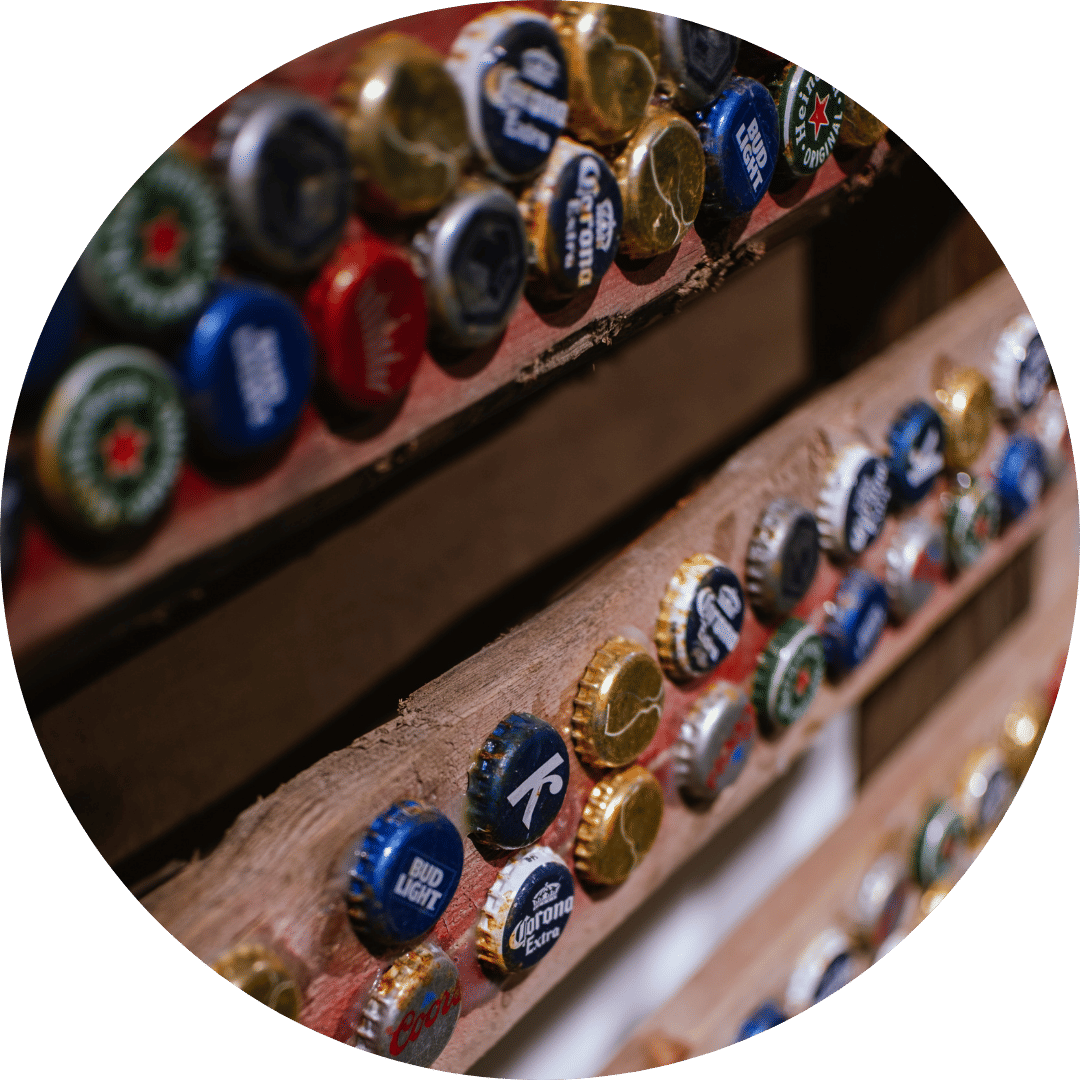
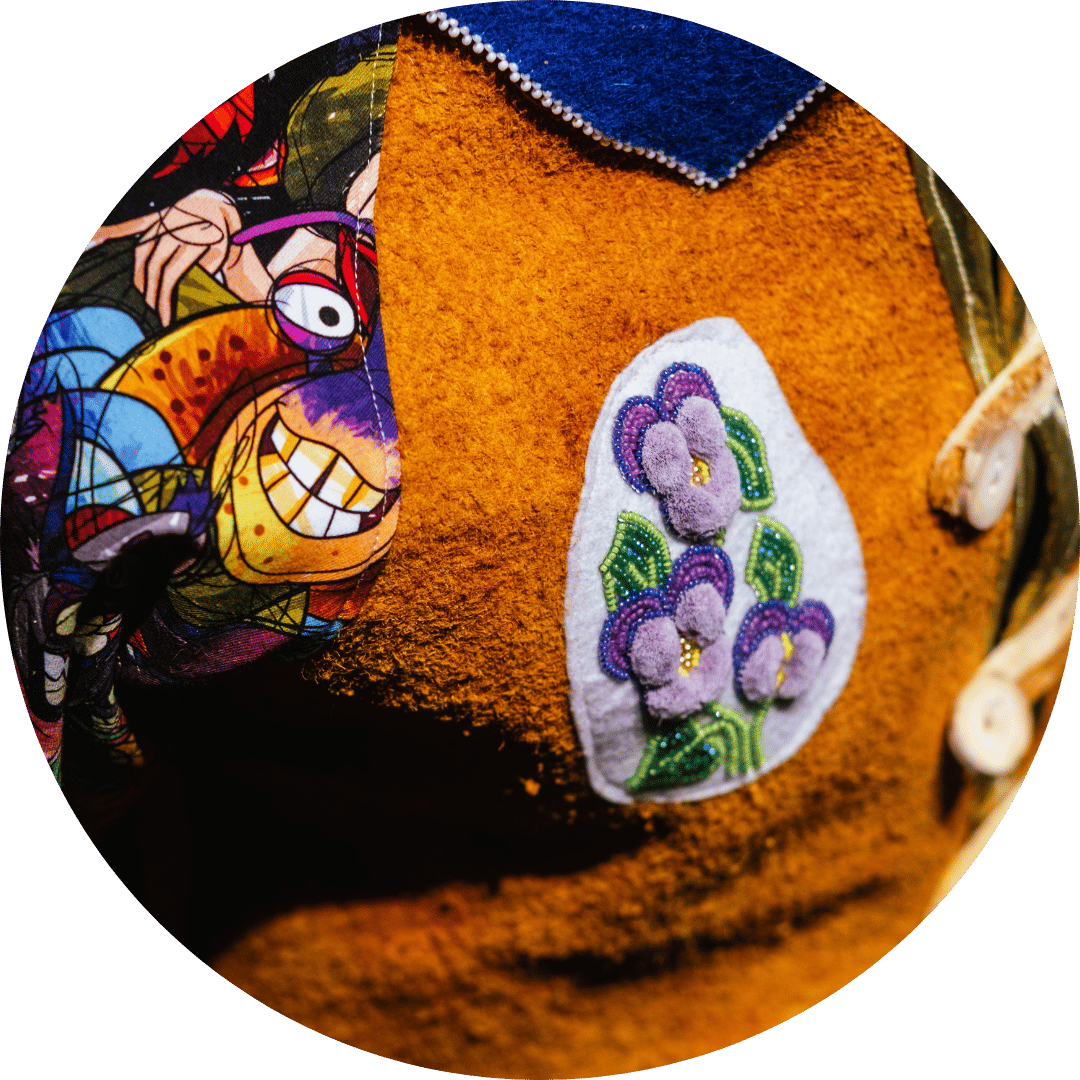
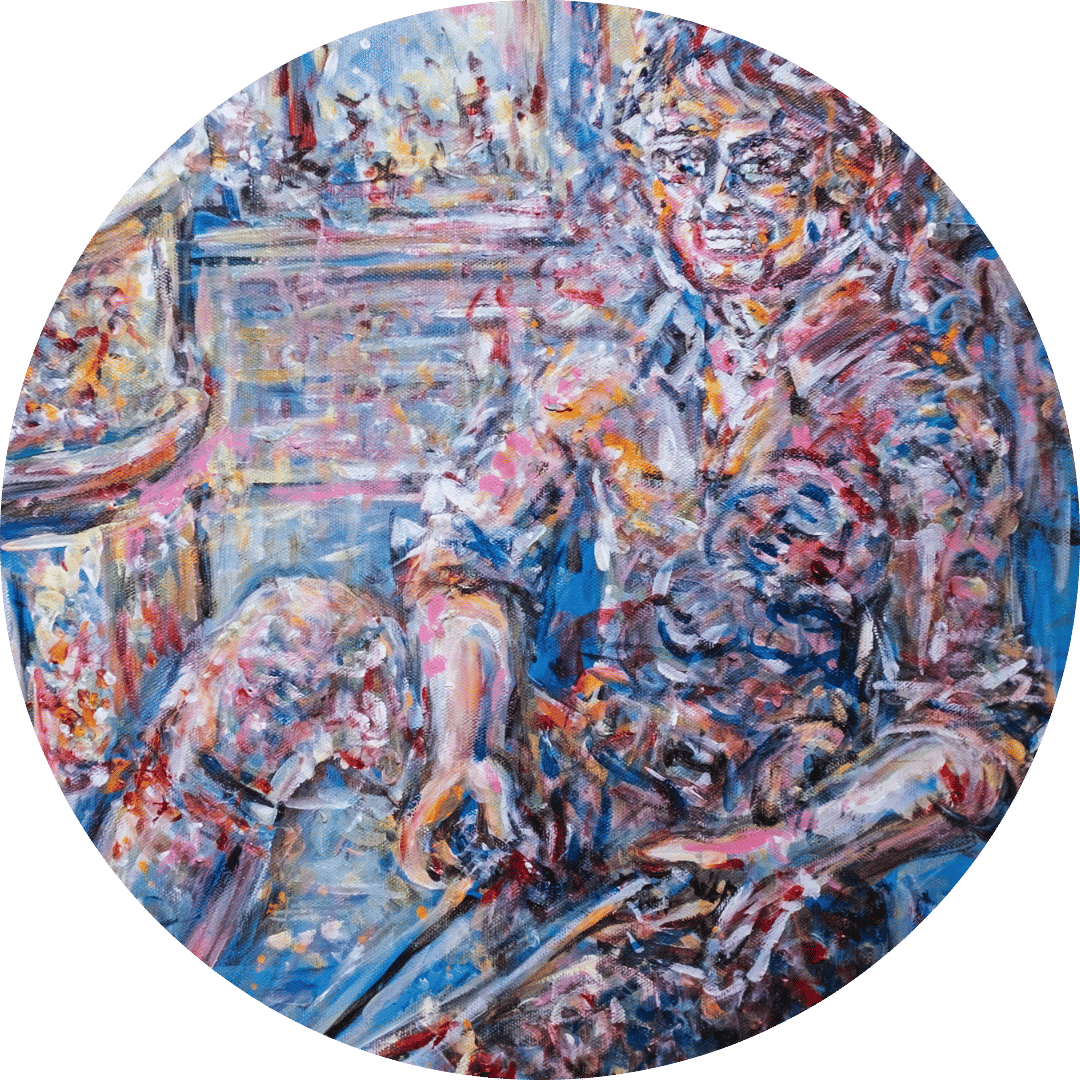
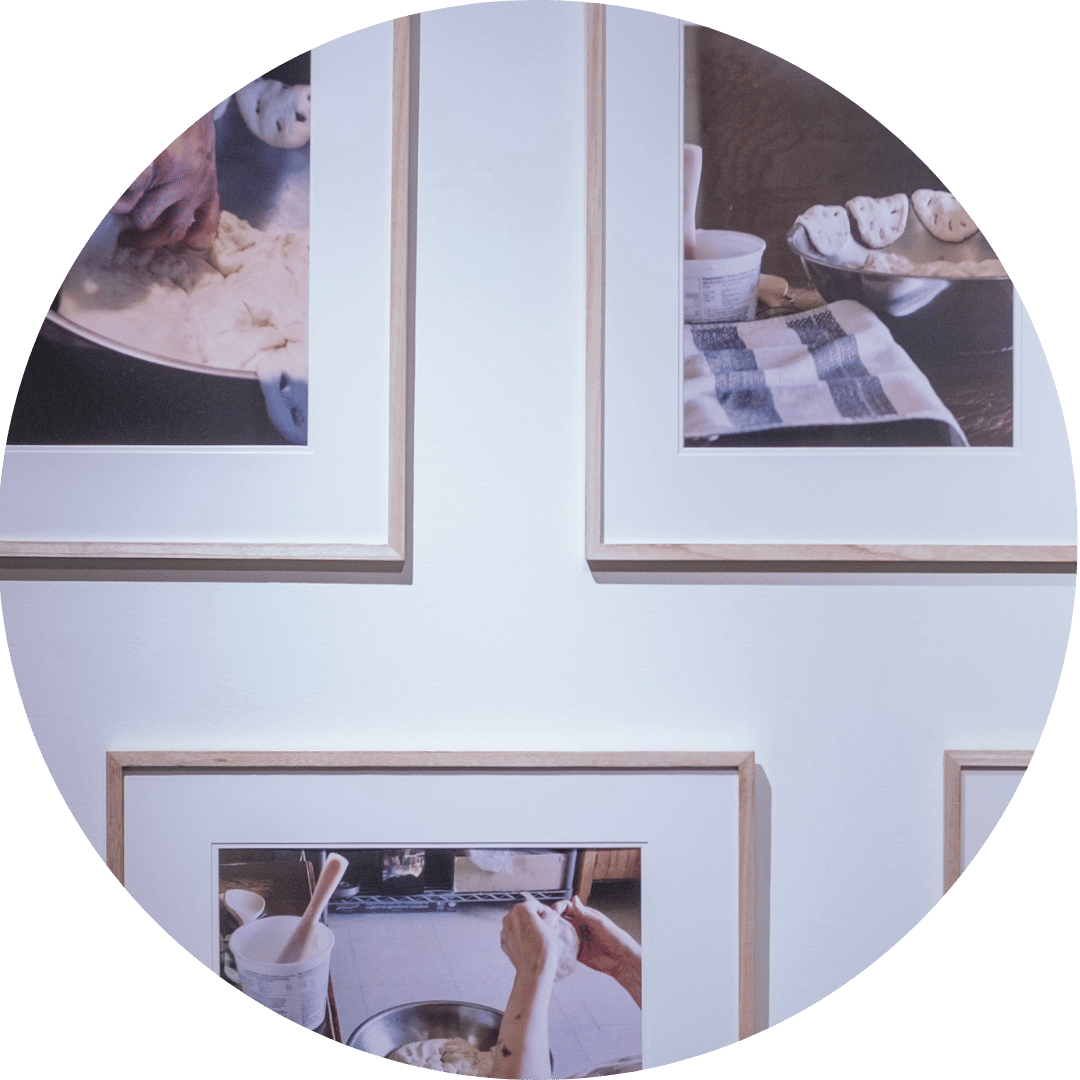
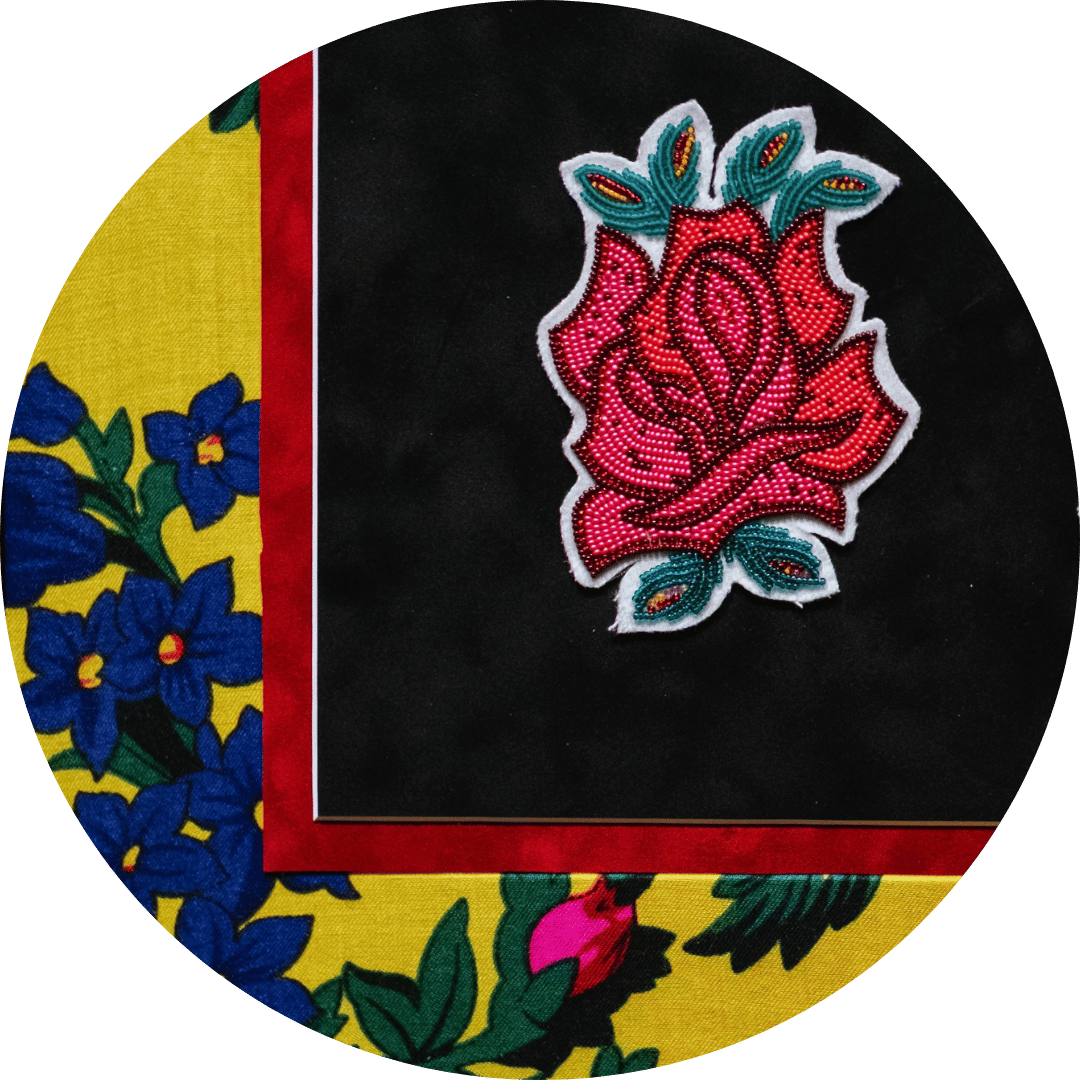
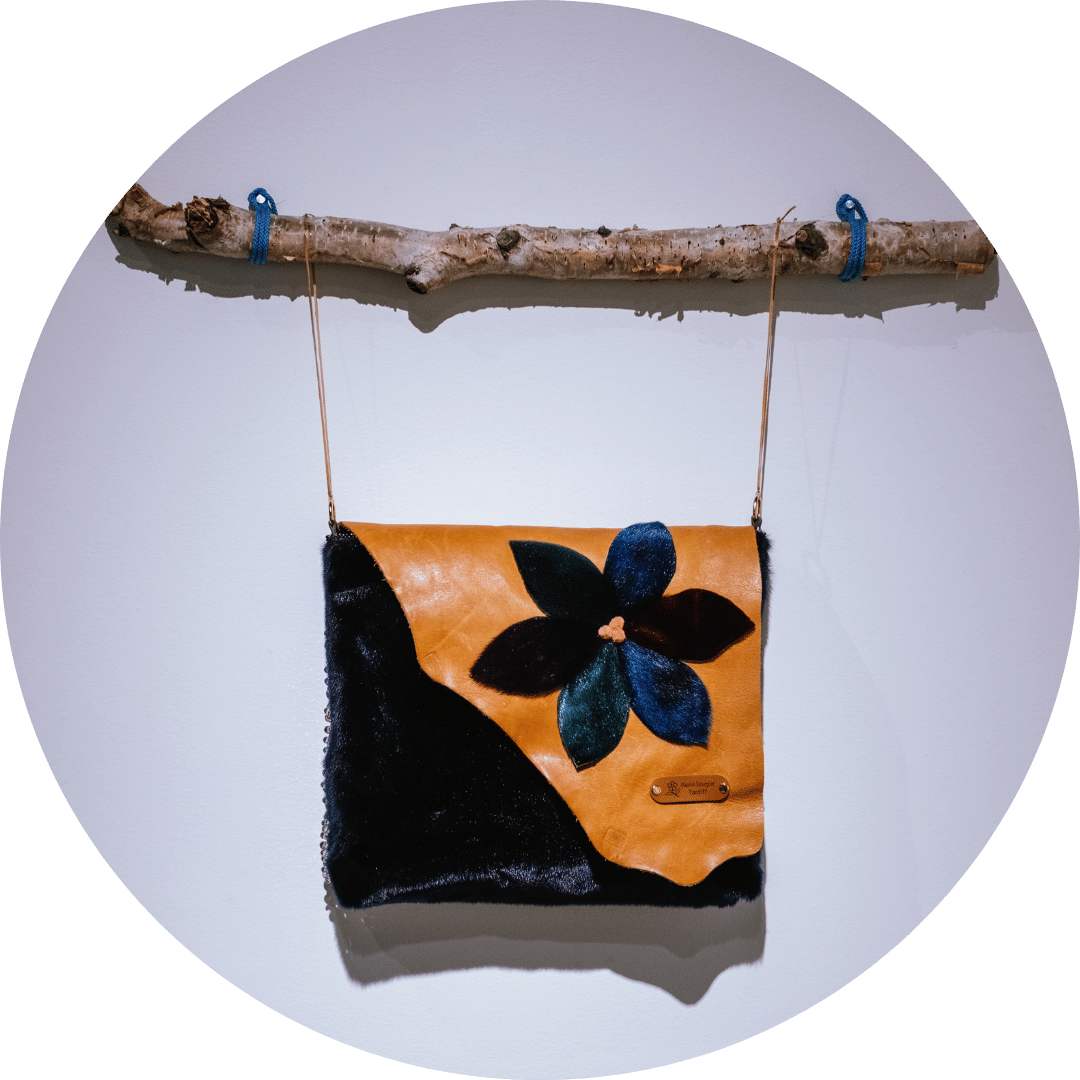
Co-curated by How I Survived and the Yellowknife Artist Run Community Centre (YKARCC), the exhibit features Agnes's wall hanging and the work of seven other northern Indigenous artists. These artists were invited to create art that captured their experiences of residential and day school or the legacies of these institutions in their lives, families, and communities.
Abuse and trauma are part of the fabric of the residential and day school experience. They are also threaded through the art in this exhibit. But the overarching themes are presence, strength, love, and creativity.
At the heart of the How I Survived exhibit are stories. In addition to the stories shared through the artwork and the artists' statements, the exhibit has an audio component that features the words of Survivors interwoven with sounds of the Land.